
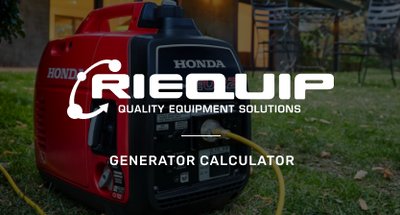


Winter weather in New Zealand can bring strong winds, heavy rain, hail and other conditions that may cause power outages. When the temperature drops, losing electricity can quickly become more than an inconvenience, particularly when your home relies on electric heating, lighting, hot water systems and other essential appliances.
A backup generator for your home provides a reliable source of temporary power during an outage, helping you keep essential household equipment operating until mains electricity is restored. Whether you live in an urban area or a rural property, having a suitable backup generator can provide valuable peace of mind during the colder months.
Why Do You Need a Backup Generator in Winter?
Winter power outages can affect heating, lighting, communication and other essential services in your home. A suitable generator can supply power to selected appliances and systems, helping your household remain warm, comfortable and connected during an unexpected blackout.
For rural households, where power restoration can sometimes take longer, having an emergency power solution can be particularly useful. Choosing the right generator and having it ready before severe weather arrives means you can respond quickly when an outage occurs.
Can a Backup Generator Keep Your Home Warm?
One of the biggest concerns during a winter power outage is maintaining a comfortable indoor temperature. If your heating system depends on electricity, it may stop operating when the mains power goes down.
A correctly sized generator can provide power for selected heating equipment, depending on its electrical requirements and the way the generator is connected to your home. This can help maintain heating in important areas of the house while power is unavailable.
For households looking for a dependable emergency power solution, explore our range of home and backup generators available from Riequip.

How Can a Generator Help Keep Your Household Comfortable?
During a winter blackout, a generator can help supply power to essential household equipment, depending on its capacity and your home's electrical setup. This may include selected heaters, lights, refrigeration, communications equipment and other critical appliances.
It is important not to assume that a generator can safely power your entire home simply because its output appears to match your normal electricity usage. Appliances with motors or heating elements can have different starting and running power requirements, so generator sizing should take both into account.
If you are unsure which generator is suitable for your household, speak with a qualified electrician about your electrical requirements before installation.
Can a Backup Generator Keep Your Electronics Charged?
Power outages can make it difficult to charge mobile phones, laptops and other essential electronics. Maintaining access to communications can be particularly important during severe winter weather, allowing you to monitor weather information, contact family members and receive updates from emergency services.
A suitable generator can provide power for essential charging equipment and household lighting. Keeping lights operating can also make it easier to move safely around your home when the mains power is unavailable.
What Else Can a Home Backup Generator Power?
The equipment you can operate during a power outage depends on the generator's rated output, starting requirements and how your home's electrical circuits are configured.
Depending on the generator and installation, essential loads may include:
- Selected electric heaters
- Refrigerators and freezers
- Household lighting
- Wi-Fi routers and communication equipment
- Televisions and computers
- Water pumps
- Security systems
- Other essential electrical appliances
Before purchasing a generator, make a list of the equipment you want to operate during an outage and determine its running and starting power requirements. This will help you select a generator that is appropriately sized for your needs.
Petrol or Diesel: Which Backup Generator Is Best for Winter?
Both petrol and diesel generators can be suitable for backup power, but the best option depends on your expected load, usage frequency, runtime requirements, installation environment and available fuel.
Petrol Backup Generators
Petrol generators are available in a wide range of portable models and can be a practical option for homeowners who need occasional emergency power. They are particularly useful where portability and straightforward operation are important.
Diesel Backup Generators
Diesel generators are commonly used where longer runtimes, higher power requirements or more demanding applications are involved. Riequip offers a range of diesel generators suitable for various residential, commercial and industrial applications.
How Do You Choose the Right Home Backup Generator?
Choosing a backup generator is about more than simply selecting the largest or most powerful model available. The generator should match the electrical loads you need to operate during an outage.
Consider the following before purchasing:
- Required power output: Calculate the running and starting requirements of your essential appliances.
- Fuel type: Consider fuel availability, storage and expected operating time.
- Portability: Decide whether the generator needs to be moved or will remain in a fixed location.
- Noise: Consider the generator's noise rating, particularly in residential areas.
- Connection method: Determine whether you require a manual changeover switch or an automatic transfer switch.
- Installation: Fixed generators require appropriate installation, ventilation and exhaust arrangements.
- Maintenance: Regular servicing and testing help ensure the generator is ready when you need it.
Can You Run a Generator Indoors?
No. Portable petrol and diesel generators should never be operated inside a house, garage or other enclosed space. Generator exhaust contains carbon monoxide, which is an odourless and potentially fatal gas.
Generators should be operated outdoors in a suitable location with adequate ventilation and positioned away from doors, windows and other openings. Fixed standby generator installations should be designed and installed by appropriately qualified professionals in accordance with applicable requirements.
Why Is Generator Maintenance Important Before Winter?
A backup generator is only useful during an outage if it starts and operates when you need it. Before winter, inspect your generator and make sure it is maintained according to the manufacturer's recommendations.
Regular maintenance may include checking engine oil, fuel, air filters, battery condition and other service items specified by the manufacturer. Periodically testing the generator can also help identify potential starting or operating problems before an emergency occurs.
Frequently Asked Questions About Home Backup Generators
FAQs
What size generator do I need for my home?
The required generator size depends on the appliances and electrical systems you want to operate simultaneously. Calculate their running and starting power requirements rather than choosing a generator based solely on your home's mains connection.
Can a backup generator power my whole house?
Some larger standby generator systems can supply a home's whole electrical load, while smaller generators are generally used to power selected essential circuits. The appropriate solution depends on your home's electrical requirements and the generator's capacity.
Are petrol or diesel generators better for home backup power?
Neither fuel type is universally better. Petrol generators can be practical for portable and occasional backup use, while diesel generators can be suitable for higher loads and longer or more demanding applications. Your power requirements and intended use should guide the decision.
Can a generator run my home's heating system?
A generator can run suitable electric heating equipment if its electrical output is sufficient. Heating systems can have significant power requirements, so check the equipment's starting and running wattage before selecting a generator.
How long can a home backup generator run?
Runtime depends on the generator model, fuel tank capacity, fuel consumption and electrical load. Running a generator at a lighter load may allow it to operate for longer between refuelling, but always follow the manufacturer's operating and refuelling instructions.
Do I need an electrician to connect a generator to my home?
For a generator connected to your home's electrical circuits, professional installation is important. A qualified electrician can determine the appropriate connection method and help ensure the system is installed safely and correctly.
Prepare Your Home for Winter Power Outages
A winter power outage can happen with little warning. Having a suitable backup generator for your home means you have an emergency power option available when you need it most.
From portable petrol generators for essential appliances to larger diesel standby systems, Riequip offers generator options for a range of residential and backup power requirements across New Zealand.
Explore backup generators at Riequip or get in touch with our team for help finding a generator suited to your power requirements.
Need backup power you can trust?
Explore our full range of generators.